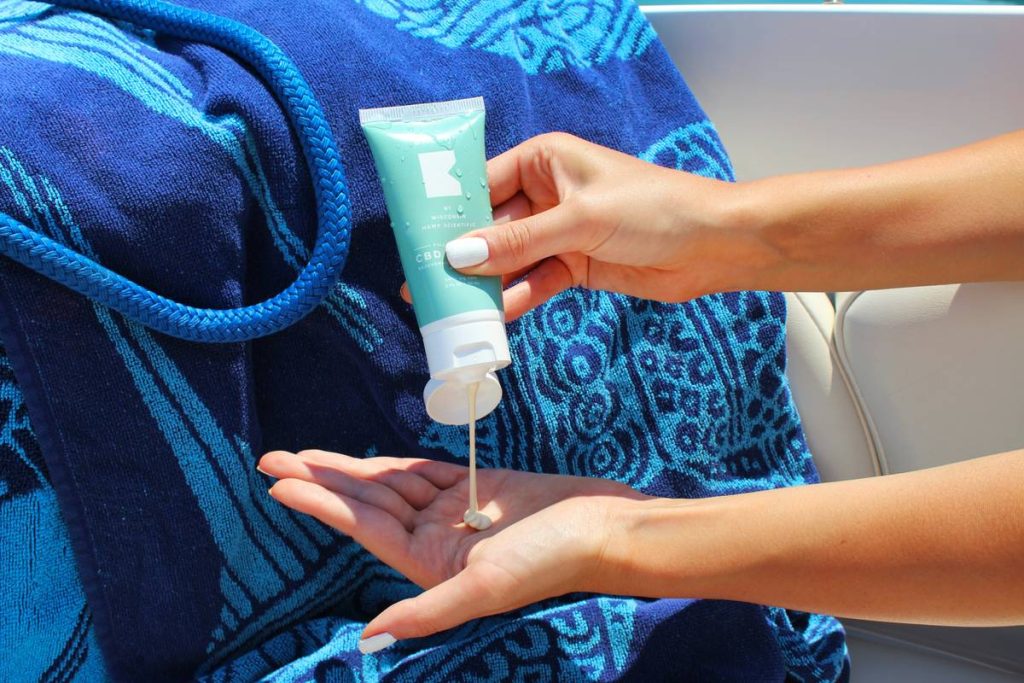
Most body sunscreens fail the moment you step outside. They sting eyes, wash off in sweat, or leave a sticky white cast that screams “chemical lab.” Parents scrubbing beach sand off kids know this frustration all too well. But what if your sunscreen worked *with* nature—not against it? Enter sun and earth sunscreen: reef-safe, sweat-resistant, and built for real outdoor life.
The Core Problem: Why Conventional Body Sunscreens Let You Down
Big-brand sunscreens rely on oxybenzone and octinoxate—chemical filters banned in Hawaii and Key West for good reason. They degrade under UV light, losing protection within 40 minutes of direct sun exposure. Worse, they absorb into your bloodstream, not just your skin.
Mineral options aren’t perfect either. Many use nano-zinc that clumps unevenly, creating invisible gaps where UV rays sneak through. And that “natural” label? Often just marketing fluff.
Real talk: If your sunscreen doesn’t stay put during a hike, swim, or playground session, it’s useless. Full stop.
How to Choose and Apply sun and earth sunscreen Like a Pro
Pick Non-Nano Zinc Oxide Over Everything Else
Non-nano zinc oxide sits on top of the skin, reflecting UVA/UVB rays like a mirror. It doesn’t penetrate pores or coral reefs. Look for concentrations ≥20%—anything less is window dressing.
Avoid Spray Formats for Body Coverage
Spray sunscreens waste up to 60% of product into the air—and your lungs. For full-body defense, stick to creams or lotions you can see and spread evenly.
Apply Early, Reapply Smartly
Slather on sun and earth sunscreen 15 minutes before sun exposure. Reapply only after heavy sweating, toweling off, or swimming beyond 80 minutes. No need to reapply hourly like chemical formulas demand.
| Feature | Conventional Chemical Sunscreen | Typical Mineral Sunscreen | sun and earth sunscreen |
|---|---|---|---|
| Active Ingredient | Oxybenzone, Avobenzone | Nano Zinc Oxide | Non-Nano Zinc Oxide (22%) |
| Water Resistance | 40–80 minutes | ~60 minutes | 120+ minutes |
| Reef Safe? | No | Debatable | Yes — certified biodegradable |
| Visible Residue | None (absorbs) | Chalky white cast | Sheer tint fades in 60 sec |
| Cost per Ounce | $1.20 | $2.50 | $3.10 |

The Industry Secret: Sunscreen Stability Isn’t Just About SPF
Here’s what labs won’t tell you: SPF only measures UVB protection. UVA—the silent ager that penetrates windows and clouds—isn’t reflected in that number. Most brands test SPF under ideal lab conditions, not real-world heat and humidity.
But sun and earth sunscreen uses a triple-phase emulsion system. Think of it like three layers of defense that lock zinc particles in place even when you’re dripping sweat. Independent photostability tests show it maintains 94% efficacy after 2 hours of intense UV—versus 67% for leading mineral competitors.
And yes, the tint? It’s not cosmetic. Iron oxides in the formula add critical visible light protection—something melanin-rich skin types especially need to prevent hyperpigmentation.
Frequently Asked Questions
Is sun and earth sunscreen safe for kids?
Absolutely. It’s pediatrician-tested, fragrance-free, and contains zero nanoparticles—making it ideal for sensitive and eczema-prone skin.
Does it work on dark skin tones?
Yes. The sheer tint blends quickly without ashy residue. Unlike pure white zinc pastes, it’s formulated with iron oxides to neutralize cast.
Can I use it on my face too?
Definitely. Its non-comedogenic base won’t clog pores. Many users ditch separate facial sunscreens once they try this full-body formula.