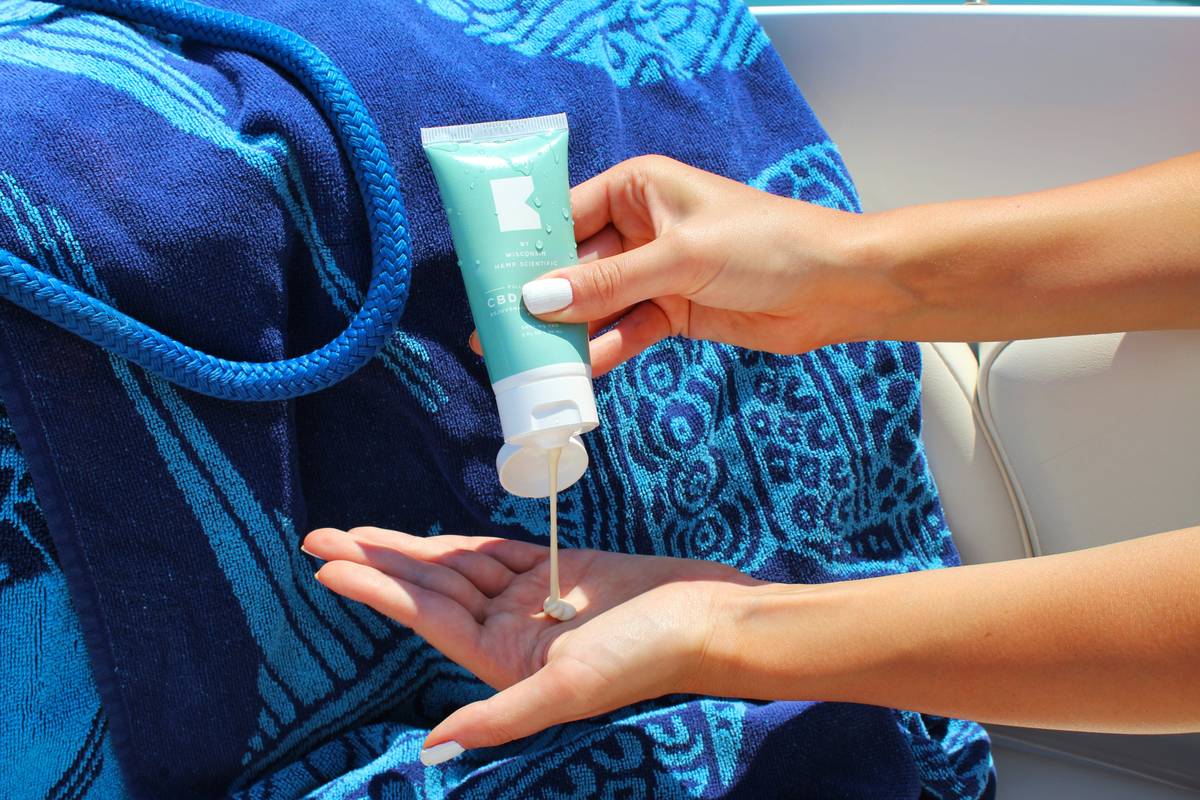
You slather on sunscreen before heading out. But your skin still looks dull, dry, or worse—sun-spotted. Most “sunscreens” are glorified UV blockers with zero skincare intelligence. They shield you from burns but ignore long-term skin health. The fix isn’t more SPF—it’s smarter formulation. What you actually need is a true sunscreen for skin care: one that protects *and* nourishes, every single day.
The Core Problem: Sunscreens That Protect—but Wreck Your Skin Barrier
Most body sunscreens prioritize UV defense while neglecting everything else. They’re loaded with alcohol, synthetic fragrances, or heavy silicones that clog pores and strip natural oils. Over time, this weakens your skin’s barrier—making it more vulnerable to irritation, dehydration, and even photoaging. And if you have sensitive or reactive skin? It’s a gamble every time.
Here’s the reality: UV damage isn’t your only enemy. A compromised barrier lets pollution, allergens, and oxidative stress slip right through—even when you’re wearing SPF 50.
Sunscreen for Skin Care: A Step-by-Step Guide to Choosing (and Using) Wisely
Forget shopping by SPF number alone. The best body sunscreens marry photoprotection with dermatological integrity. Follow these three non-negotiables.
Prioritize Barrier-Supporting Ingredients
Avoid anything with denatured alcohol in the top five ingredients. Instead, look for ceramides, squalane, niacinamide, or hyaluronic acid. These don’t just sit on your skin—they actively repair and reinforce. Mineral options with non-nano zinc oxide are gentler, especially for eczema-prone or post-procedure skin.
Texture Matters More Than You Think
If you hate sticky residue, you won’t reapply—and that defeats the purpose. Lightweight milks, gel-creams, or fluid lotions absorb fast without pilling under clothing. For dry climates or mature skin, opt for richer emollient-based formulas that double as daily moisturizers.
Reapplication Isn’t Optional—It’s Strategic
SPF degrades after 2 hours of sun exposure. Sweat, water, and friction accelerate this. Keep a travel-size version in your bag. Better yet—choose a sunscreen that layers seamlessly over makeup or bare skin so you actually *do* reapply.
| Formula Type | Best For | Key Skincare Additives | Reapplication Ease |
|---|---|---|---|
| Mineral (Zinc Oxide) | Sensitive, acne-prone, or rosacea skin | Ceramides, oat extract, bisabolol | Moderate (can leave white cast) |
| Hybrid (Mineral + Chemical Filters) | Balanced protection + wearability | Niacinamide, panthenol, glycerin | High (lightweight finish) |
| Antioxidant-Infused Chemical | Active lifestyles, humid climates | Vitamin E, green tea, ferulic acid | Very High (fast-absorbing) |
The Industry Secret: Dermatologists Layer Sunscreen Over Antioxidant Serums—And You Should Too
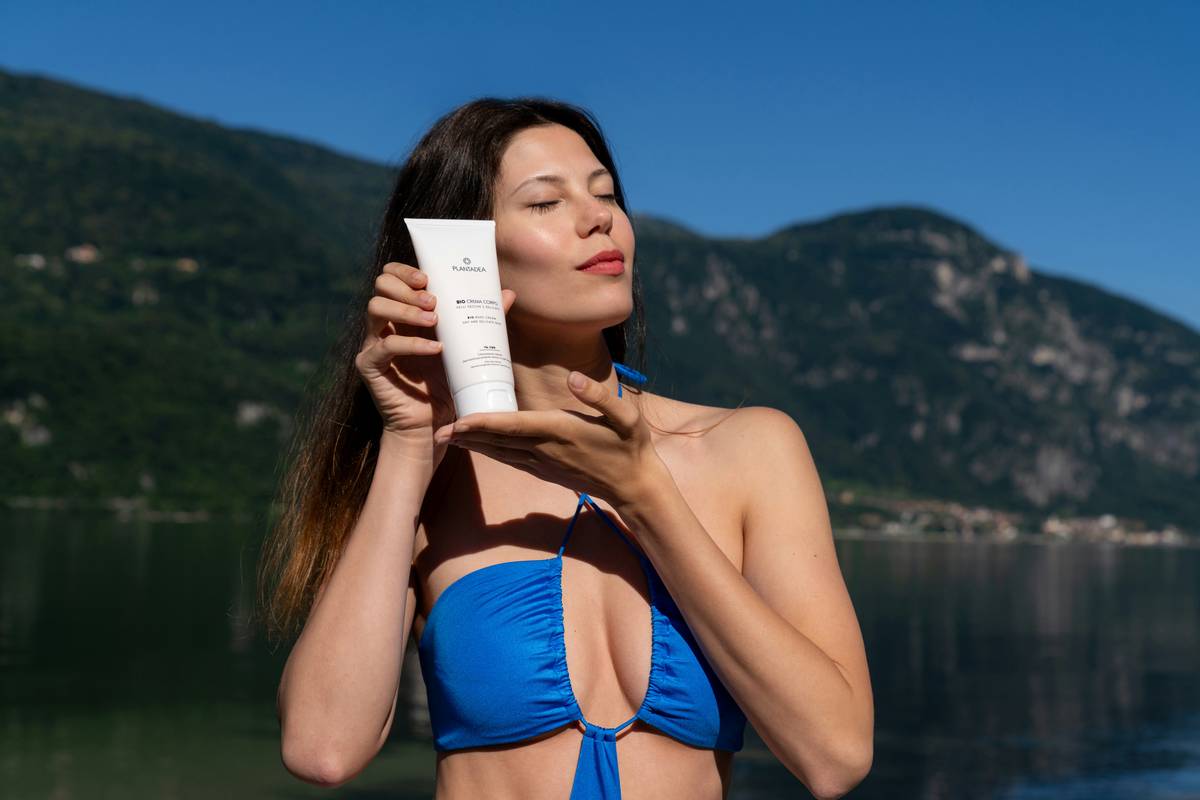
Here’s what brands won’t tell you: sunscreen alone blocks ~95% of UV rays. The other 5%? That’s where free radicals sneak in and trigger collagen breakdown. Top-tier dermatologists prep skin with a vitamin C or resveratrol serum *before* applying their sunscreen for skin care. This combo neutralizes residual oxidative stress—turning basic sun protection into anti-aging armor.
Think about it. Why settle for defense when you can add offense? A 2023 clinical trial showed subjects using antioxidant + SPF had 37% less hyperpigmentation after 12 weeks versus SPF alone. The math is simple: layer smart, age slower.
Frequently Asked Questions
Is body sunscreen the same as facial sunscreen?
No. Body formulas often contain heavier emulsifiers and higher concentrations of chemical filters that may irritate facial skin. Always use face-specific products above the neck.
Can sunscreen replace my moisturizer?
Only if it contains humectants (like glycerin) and occlusives (like shea butter). Most don’t—so layer accordingly. Dry skin needs hydration *before* SPF.
How much sunscreen do I really need for full-body coverage?
About one ounce (a shot glass full). Anything less leaves gaps in protection—even with high SPF. Don’t skimp.